
- They reduce emissions of CO₂, methane, nitrogen, and ammonia by up to 90% compared to conventional storage of animal manure in open lagoons in biomethane systems.
Together we create sustainable value with biomethane in Sarmato.
Together with regional agriculture, we use biomass to transform it into biomethane as well as high-quality organic fertilizer.
In this way, together with our partners, we make an important contribution to the regional circular economy in Sarmato and the production of green energy.

40+ bioenergy projects across six European markets.

130+ MW of biogas capacity built

Over 20 years of experience in the development, construction, and operation of biomethane projects in Europe.

Technological leader in anaerobic digestion in Europe.
Experience in planning, construction, and operation of biomethane plants in Germany, the United Kingdom, Italy, Poland, Hungary, and Spain.
By combining our global expertise with local capabilities and pioneering technology, we set high environmental standards in the production of CO₂-neutral biomethane.
Sustainability is a responsibility we actively embrace. We firmly believe in the circular economy and in the key role of biomethane in Europe in valorizing organic waste, reducing emissions, and protecting natural resources.
Construction of the first grid-connected biomethane plant in Europe (2006). Innovation focused on pre-treatment processes, biofuel production, and digestate management.
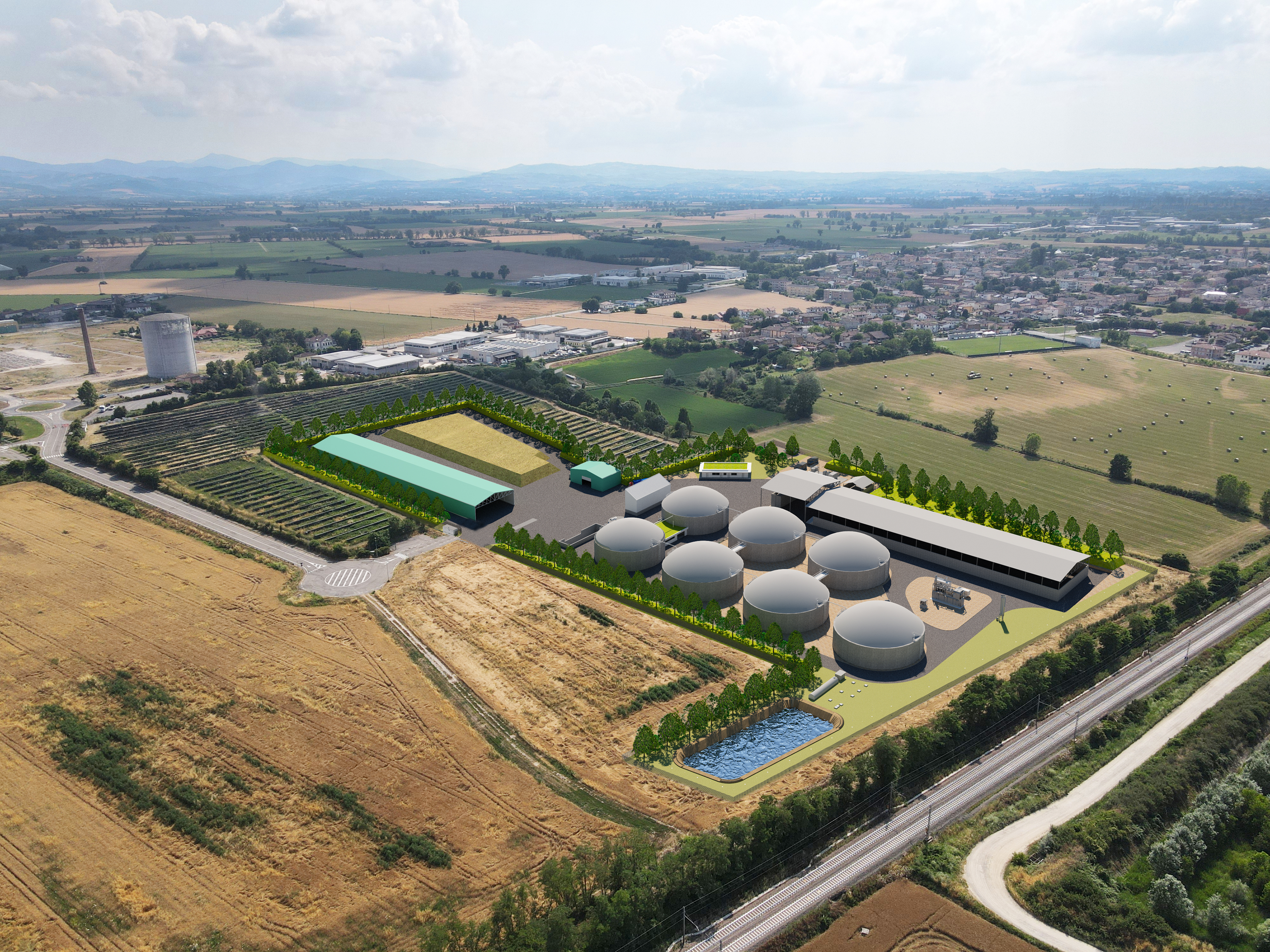
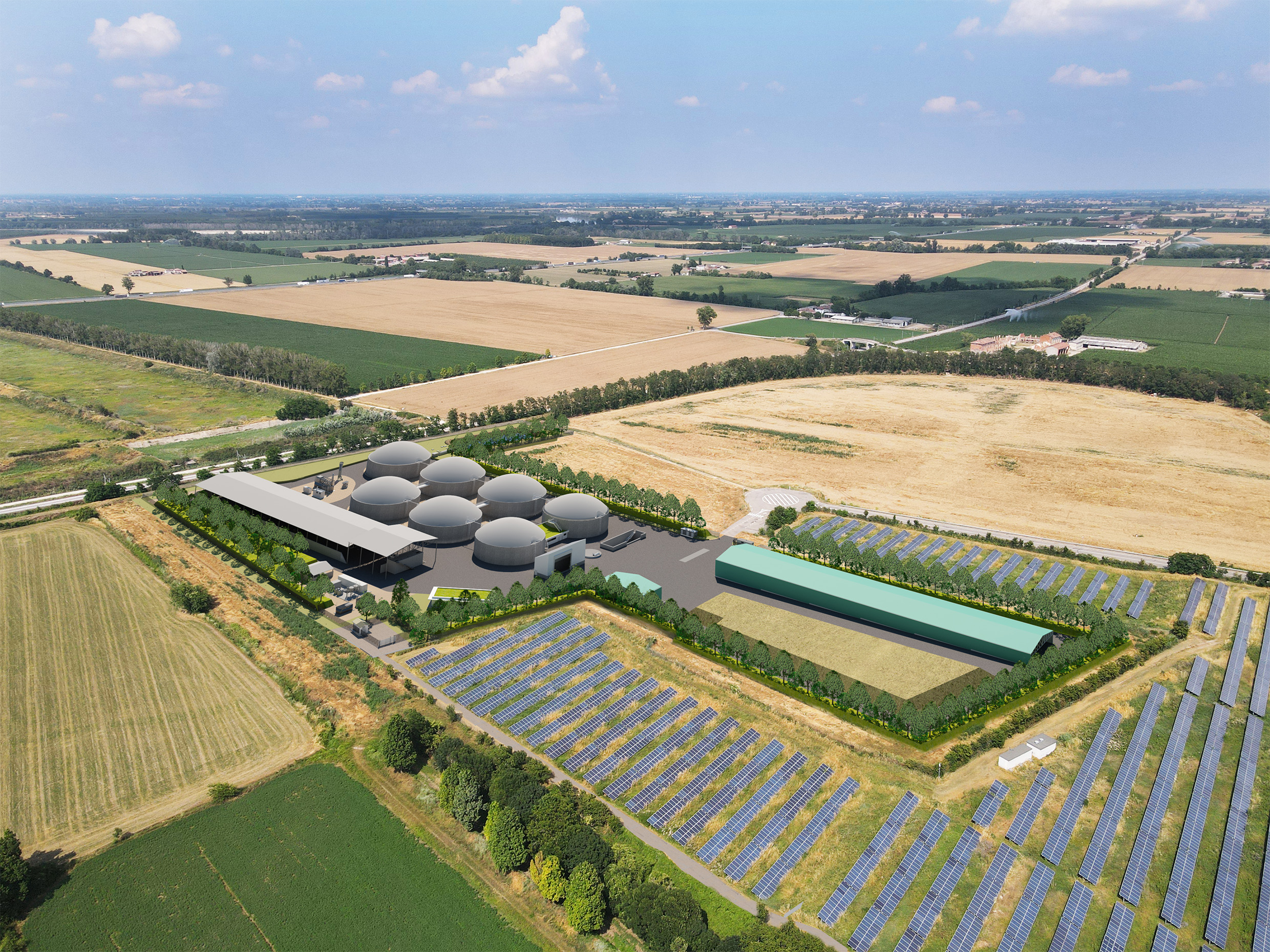
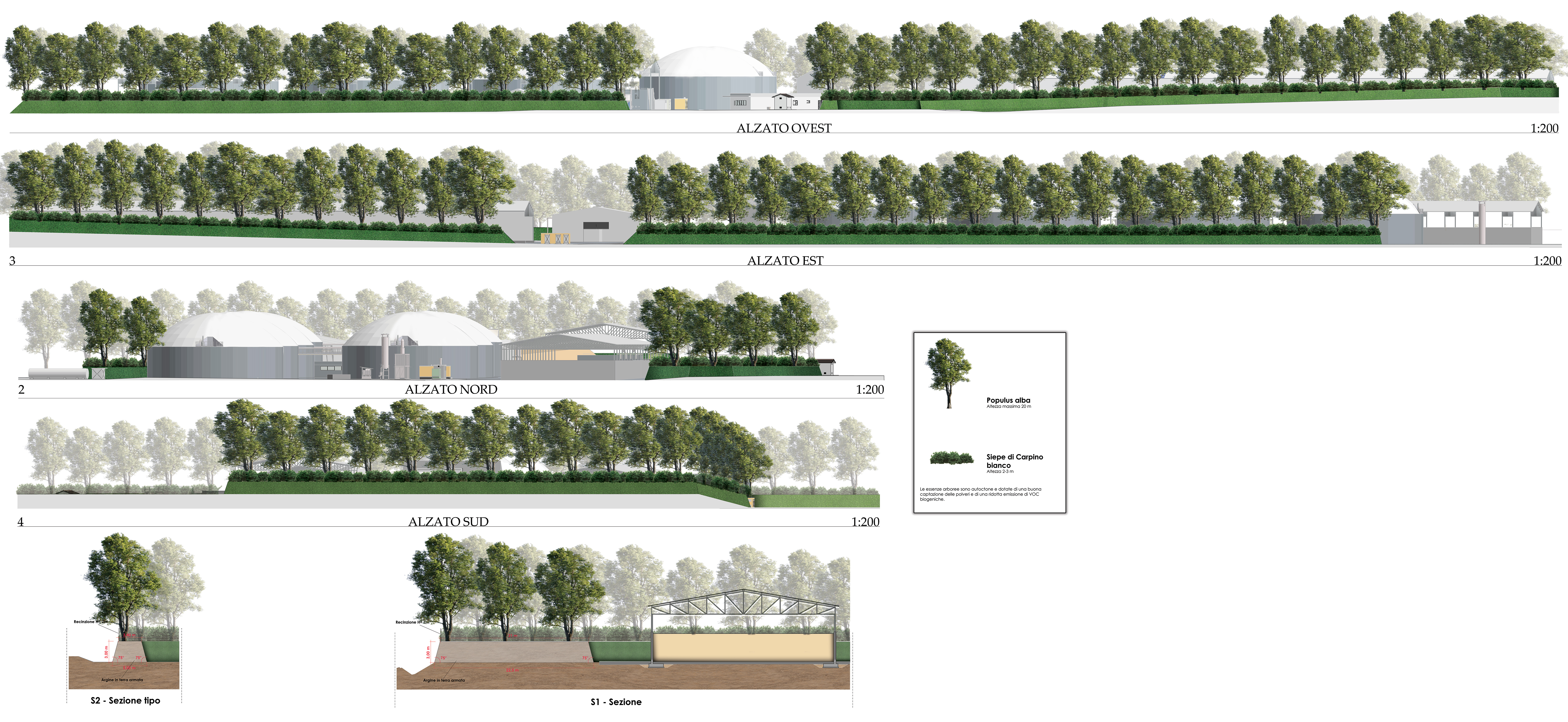
Local circular Econoomy
Our raw materials come from farms located mostly within a 5–10 km radius of the biomethane plant in Sarmato.
- The biomethane is fed locally into the natural gas grid.
- The resulting digestate is a valuable organic fertilizer for local agriculture
- Local farms increase their profitability by selling raw materials to the plant and using digestate, which replaces expensive synthetic fertilizers.
Microorganisms for Clean Air
- 300 m³ wood-chip biofilter for biomethane plant air treatment
- Microorganisms degrade ammonia and odorous substances in the biomethane production process
- Fine dust filtration
- Treatment of exhaust air from the digestate storage hall and the poultry litter storage hall
Technical Data
43,000 MWh
annual biomethane capacity
69,100 t input/year
materials used: cattle solid manure and slurry, poultry manure, renewable raw materials
55,000 t/year
cost-effective organic fertilizer for agriculture
Next generation biofilter for odor absorption
Digital plant control system
Digital tracking of raw materials
FAQ and Fake news
❌ Biomethane plants in Sarmato pollute the environment!
❌ Biomethane plants in Sarmato cause bad odors!
- Raw materials are processed in closed storage tanks and digesters in the biomethane plant, releasing no unpleasant odors. The resulting digestate has a much lower odor potential than the manure and slurry it is derived from. The production process reduces odor-causing compounds by over 90%.
❌ Biogas plants in Sarmato produce harmful bacteria, including those causing botulism or tetanus!
- Scientific literature largely agrees that the anaerobic digestion process in biomethane production significantly reduces the presence of bacteria harmful to humans.
❌ Biomethane plants in Sarmato generate additional traffic!
- The substrates used are residual materials that would need to be transported from their origin to a disposal or reuse site anyway. By using local farms in Sarmato for substrate supply and digestate use, a regional circular system is created.
❌ Digestate from biomethane plants contaminates groundwater!
- Digestate is a natural organic fertilizer from biomethane production. Its quality makes it a valuable alternative to chemical fertilizers on agricultural land.
Your contact with VORN Bioenergy
Would you like to get in touch with us quickly by email?